

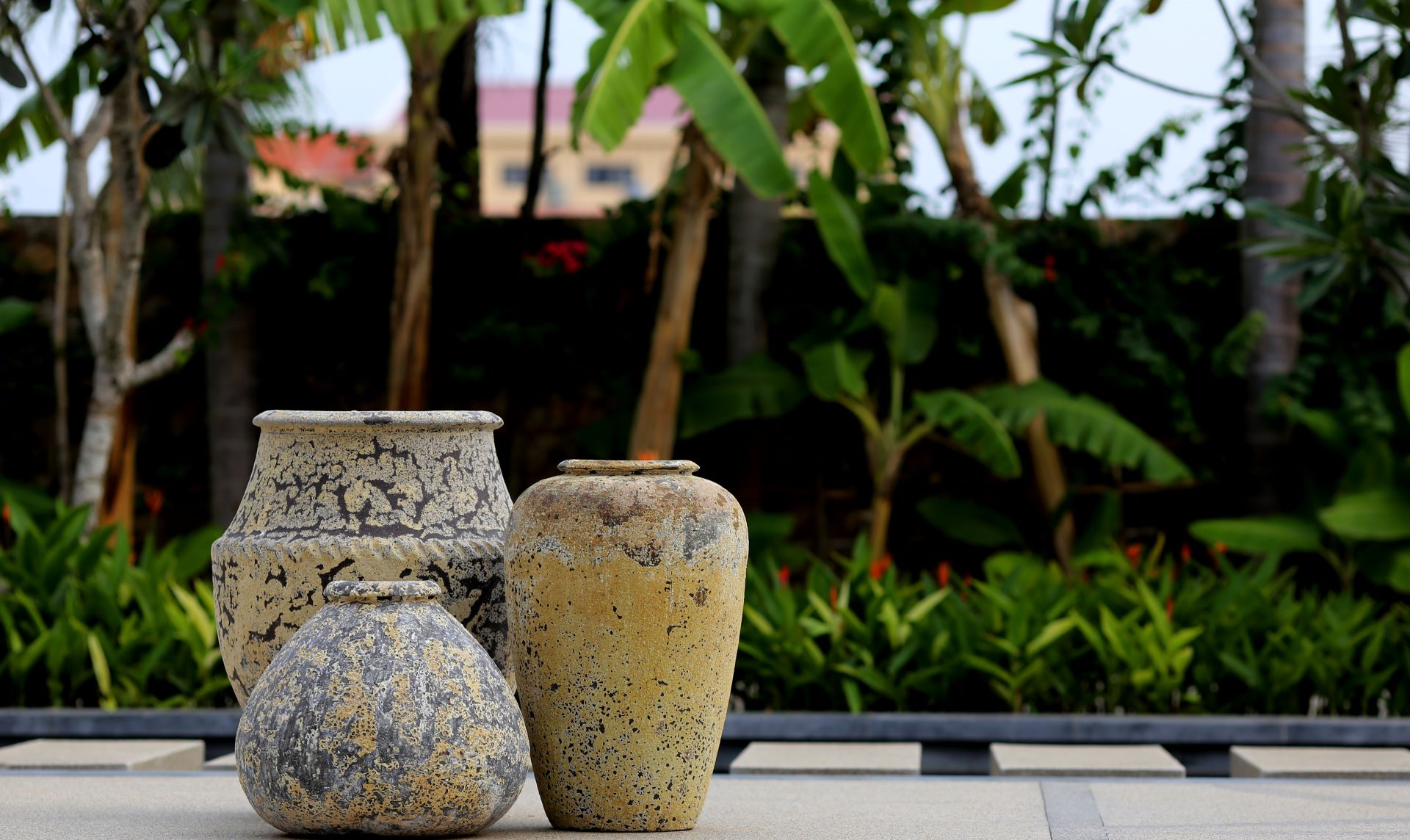
Vietnam’s clay manufacturing industry is rapidly establishing an international reputation as a reliable source of premium tableware, decorative items, and construction materials. Driven by a skilled workforce, competitive labor costs, and a strong commitment to sustainability, Vietnamese producers are steadily attracting buyers from around the world. This thriving sector presents significant opportunities for distributors seeking authentic, high-quality, and cost-effective ceramic products.
Exploring the Craft: Vietnam’s Pottery Manufacturing Landscape
Vietnam’s pottery industry is a compelling blend of traditional craftsmanship and modern innovation. For centuries, skilled artisans have shaped clay into both functional and decorative pieces, often using simple tools and locally sourced materials. Today, while many workshops continue to preserve these time-honored techniques, an increasing number are integrating modern machinery to meet growing domestic and international demand.
Notable examples include the iconic bat kilns of Bien Hoa, which reflect Vietnam’s rich ceramic heritage. Some workshops specialize in distinctive styles, such as the intricate designs of Binh Duong pottery. Despite rapid global expansion, many Vietnamese manufacturers remain committed to sustainability and preserving their cultural legacy. This dedication creates a dynamic and evolving environment within Vietnam’s pottery industry.

Eco-Friendly Ceramics: A Sustainable Future
Vietnam is emerging as a key hub for eco-friendly ceramic production, with many manufacturers pioneering innovative methods to reduce environmental impact. Local artisans increasingly utilize recycled clay, natural pigments, and energy-efficient firing techniques.
These sustainable practices position Vietnam as a leading force in the global movement toward ethical and environmentally responsible ceramic design.
Vietnamese Pottery Manufacturers: Quality Meets Affordability
Vietnam’s growing pottery manufacturing sector has become a strong competitor in the global market, offering an appealing combination of high-quality products and competitive pricing. Many factories have invested in advanced technology and workforce training, enabling them to produce refined ceramic pieces suitable for both domestic use and international export. Key advantages include:
- A balance between traditional craftsmanship and modern design
- Lower production costs supported by favorable labor conditions
- A wide range of products, from tableware to decorative ceramics
- Customization capabilities for international buyers and brands
This makes Vietnamese manufacturers an attractive partner for businesses seeking high-value ceramic solutions.
From Clay to Creation: Inside Vietnam’s Ceramic Workshops
Vietnam’s pottery industry offers a unique look into a traditional craft experiencing a modern revival. Inside workshops, skilled artisans carefully shape raw clay into elegant forms, often using techniques passed down through generations. In many areas, foot-powered wheels are still in use, preserving the authenticity of the craft.
Visitors and buyers can:
- Observe the full production process, from raw material to finished product
- Learn about traditional and region-specific techniques
- Support local artisans and sustainable production methods
This fusion of heritage and innovation defines the essence of Vietnamese ceramics.
Meeting Global Demand: Vietnam’s Expanding Role
Vietnam’s pottery sector is rapidly becoming a major player in the global ceramics market. With competitive pricing, skilled craftsmanship, and a rich cultural heritage, Vietnamese manufacturers are well-positioned to meet rising international demand for high-quality ceramic products.
Export markets continue to grow across Asia, Europe, and the United States. By focusing on sustainability, innovation, and consistent quality, Vietnam’s ceramic industry is building a strong and reliable presence in the global supply chain.




Leave a Reply